
Isfahan, Iran - Attractions, Culture, History, Tourism, Fun Facts
Welcome to Isfahan City, where history, culture, and breathtaking architecture create an unforgettable experience. Isfahan has a population of 2,359,000 as of 2026 (Macrotrends). Home to the iconic Isfahan mosque(Shah Mosque) and many more renowned Isfahan tourist attractions, this city is a must-visit for travelers. Whether you're exploring its rich heritage, discovering places to visit in Isfahan, or wondering what to do in Isfahan, every corner offers something remarkable. Plan your Isfahan travel experience today and uncover what makes Isfahan famous!

Isfahan Population
With a population of around 2,220,000, Isfahan ranks as the third-most populous city in Iran, following Tehran and Mashhad, and is the second-largest metropolitan area in the country.

Isfahan Climate
Isfahan, situated at 1,590 meters above sea level in the Zagros Mountains, experiences a cold desert climate with hot summers and cool, sometimes very cold winters. Despite its altitude, the city remains hot in summer, with a relatively low annual precipitation of 125 millimeters, contributing to an extremely dry climate.

Isfahan Things to Do
Isfahan holds many iconic landmarks such as Naqsh-e Jahan Square, Shah Mosque, Jameh Mosque, and Ali Qapu Palace
Isfahan Attractions and Landmarks

Naqsh-e Jahan Square
Recognized as the greatest square globally, earning its place on the World Heritage List in 1979, and it boasts a rich history spanning 400 years

Shah Mosque
Situated on the south side of Naqsh-e Jahan Square, the Shah Mosque is globally renowned for its tallest double shell dome, standing at an impressive height of 52 meters(171 ft)

Jameh Mosque
Also referred to as “the dream tunnel”, relives 14 centuries of Iranian architectural achievement

Ali Qapu Palace
The palace served as the official residence of Persian Emperors of the Safavid dynasty. UNESCO inscribed the Palace and the Square as a World Heritage Site

Sheikh Lotfollah Mosque
One of the most important architectural projects built on Isfahan's Square, prominent for its location, scale, design, and ornament.

Chehel Sotun Palace
Chehel Sotoun is a Persian pavilion in the middle of a park at the far end of a long pool, in Isfahan, Iran, built by Shah Abbas II to be used for his entertainment and receptions
City of Isfahan Fun Facts
Dive into Isfahan's fun facts, a mix of history, culture, and surprising details that make it special.

Half of the World
Isfahan has thousands of historical monuments leading to the saying “Esfahān nesf-e-jahān ast” (Isfahan is half of the world)

Isfahan History
Isfahan was a religious and ethnically diverse city, even considered to be one of the largest cities in the world at one point. Ranked among places such as Athens, Rome, London, Paris, and Istanbul

Fire Temple
Home to the fire temple of Isfahan, which is dedicated to the Zoroastrian faith and is an important pilgrimage site for Zoroastrians

Chehel Souton
The name of the palace directly translates to “40 columns”, but only features 20 columns. When reflected against the pool, 40 columns are showcased
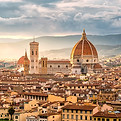
Isfahan Nickname
Isfahan is often referred to as the Florence of Iran

Capital of Persia
Under the Safavid dynasty, Isfahan became the capital of Persia, for the second time in its history, under Shah Abbas the Great.
Frequently Asked Questions
What is Isfahan most famous for?
Isfahan is renowned for its thousands of historical monuments, earning it the saying "Isfahan is half of the world," and is often called the Florence of Iran.
What is the population of Isfahan?
Isfahan has a population of around 2,220,000, making it the third-most populous city in Iran after Tehran and Mashhad.
What is Naqsh-e Jahan Square?
Naqsh-e Jahan Square is recognized as the greatest square globally, earning its place on the World Heritage List in 1979 with a rich history spanning 400 years.
What makes the Shah Mosque special?
The Shah Mosque, located on the south side of Naqsh-e Jahan Square, is globally renowned for its tallest double shell dome standing at 52 meters (171 ft).
Why is Chehel Sotun Palace called "Forty Columns"?
The palace name translates to "40 columns" but only features 20 columns; when reflected against the pool, 40 columns are showcased.
What is the climate like in Isfahan?
Isfahan experiences a cold desert climate with hot summers and cool winters, situated at 1,590 meters above sea level with extremely dry conditions and only 125 millimeters of annual precipitation.
What historical significance does Isfahan hold?
Isfahan was once considered one of the largest cities in the world, ranked among Athens, Rome, London, Paris, and Istanbul, and served as the capital of Persia under the Safavid dynasty.
What is the Jameh Mosque known for?
The Jameh Mosque, also called "the dream tunnel," relives 14 centuries of Iranian architectural achievement.


